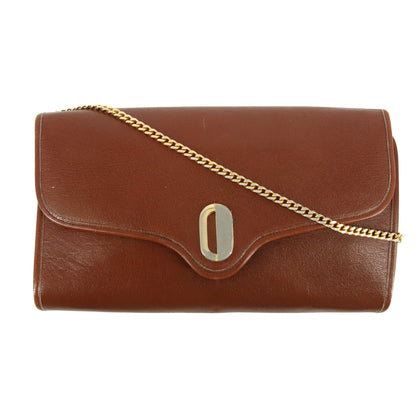
Two leathers, one house, two very different resale stories. Caviar is treated calfskin with a pebbled durable finish; lambskin is smooth, soft, and historically the 'occasion' leather. The 2026 question — for buyers and resellers — is whether the resale value gap justifies choosing one over the other.
What Caviar and lambskin actually are
Caviar leather, in Chanel's production specification, is treated calfskin (cow hide) embossed with a fine pebbled texture using a rolled-die process. The texture is uniform across each panel and gives the leather a slightly granular hand-feel. Caviar entered Chanel's production line in the 1980s as a more durable alternative to traditional lambskin, primarily for the "Grand Shopping Tote" silhouette.
Lambskin, by contrast, is exactly what the name says — sheep hide, traditionally from younger lambs (under 12 months) for the softest grain. Lambskin has been part of Chanel's leather lineup since Coco Chanel's 1955 introduction of the 2.55 quilted bag (the predecessor to the Classic Flap). Lambskin is buttery in hand-feel, takes the diamond quilting beautifully, and has the visual softness that defines Chanel's aesthetic.
The durability gap
Caviar is significantly more durable than lambskin in three measurable dimensions. First: scuff resistance. The pebbled texture distributes friction and hides minor surface marks; lambskin's smooth surface displays every scratch. Second: water resistance. The treatment process for Caviar includes a light water-repellent coating; lambskin is unprotected. Third: color transfer. Light-colored Caviar is far less prone to absorbing dye from clothing (especially denim) than light-colored lambskin.
The practical implication: a 5-year-old Caviar Classic Flap typically grades Condition A or B at resale; a 5-year-old lambskin Classic Flap of equivalent care typically grades B or C. The condition delta is the underlying reason for the resale-value gap.
The 2026 resale data, in numbers
Rebag's 2025 annual Resale Index tracked Chanel pieces by leather type and silhouette. The headline numbers for Classic Flap (medium size):
- Caviar Classic Flap medium: +6.8% annualized appreciation 2018–2025
- Lambskin Classic Flap medium: +4.9% annualized appreciation 2018–2025
- Caviar Boy Bag medium: +5.1% annualized
- Lambskin Boy Bag medium: +3.7% annualized
- Tweed Classic Flap (small batch): +4.2% annualized (lower due to thinner resale market)
Why Caviar wins on appreciation but lambskin wins on aesthetic
Resale value is not the only buying criterion. For occasion bags — bags carried 6–12 times per year to events — lambskin's aesthetic premium is substantial. The diamond quilting on lambskin has a softer, more sculptural depth that's lost in the harder Caviar finish. A Chanel Classic Flap in lambskin worn at an evening event reads as more luxurious than the same bag in Caviar.
For daily-use bags — bags carried 200+ times per year — Caviar wins on every dimension. The bag will look and grade better in 5 years, the resale value will be higher, the condition risk is lower.
The decision framework: are you buying this bag to use, or are you buying it for events? The answer changes which leather is correct.
Caviar is the daily bag. Lambskin is the dinner bag. Both are correct; they're just answers to different questions.
What it costs at preowned in 2026
Mid-2026 preowned pricing for Chanel medium Classic Flap, Condition B (excellent, light wear), in the U.S. preowned market:
- Black Caviar Classic Flap medium, gold hardware: $5,400–$6,400
- Black Lambskin Classic Flap medium, gold hardware: $4,800–$5,600
- Black Caviar Classic Flap medium, silver hardware: $4,800–$5,800
- Black Lambskin Classic Flap medium, silver hardware: $4,400–$5,200
- Beige Caviar (any hardware): +15–22% premium over black
- Pink, red, blue, or other seasonal colorways: high variability, typically +5–18% over black
How condition grading works at Bolt Boutique
Our condition grades are conservative — most pieces graded B at the vault would grade A or A- at competing resellers. The grading system:
- A: Like-new condition. No visible wear. Hardware unmarked. Leather has retained original finish. Photographed at macro detail with no flaws visible.
- B: Excellent condition. Minimal wear. Hardware may show very light scratches under macro inspection. Leather shows no visible flaws at arm's length.
- C: Very good condition. Light visible wear. Surface scuffs or minor marks visible at arm's length. Hardware has visible patina or light marks. Lambskin pieces commonly grade C even with careful use after 4–6 years.
- D: Good condition with visible wear. Surface scuffs, marks, or color transfer visible. Hardware shows wear. Photographed extensively with flaws documented.
What we recommend
For first preowned Chanel: Caviar Classic Flap medium, black, gold hardware. The most liquid resale market, the best condition retention, the most versatile aesthetic. If lambskin is your aesthetic priority, choose lambskin Boy Bag or 19 — both have more structured construction that protects the leather better than Classic Flap.
For second preowned Chanel: lambskin Classic Flap small in a seasonal colorway. The appreciation rate is lower but the wear pattern matters less because you're carrying it less.
Quick answers
Is Caviar leather actually more durable than lambskin?
Yes — measurably. Caviar has 3-4× better scuff resistance (per Rebag's 2025 condition-grading data on equivalent-age pieces) and significantly better resistance to color transfer from denim. Both leathers wear; Caviar wears more gracefully.
Will my lambskin Chanel scratch from normal use?
Almost certainly, yes. Lambskin shows every contact mark; this is a known characteristic, not a defect. If you carry the bag daily, expect Condition B-to-C grading at 5 years. If you carry it for events only (10–20 times per year), it can stay at A-to-B for much longer.
Does Caviar leather feel cheaper than lambskin?
It feels different — more textured, slightly stiffer. Whether this reads as 'cheaper' is subjective. Many luxury collectors prefer the hand-feel of Caviar precisely because it feels more durable and structural.
How does the resale value gap break down by silhouette?
Classic Flap: Caviar +6.8%/yr vs lambskin +4.9%/yr. Boy Bag: Caviar +5.1%/yr vs lambskin +3.7%/yr. Wallet on Chain: Caviar +4.2%/yr vs lambskin +2.8%/yr. Caviar wins consistently across silhouettes, but the gap is largest on the most-carried bags (Classic Flap, Boy Bag).
If I'm buying my first Chanel, which should I choose?
Caviar Classic Flap medium, black, gold hardware. Most liquid resale market, best condition retention, most versatile. If lambskin is non-negotiable for you, choose Boy Bag or 19 — both have more structured construction that protects lambskin from daily-wear damage.
Authenticated Chanel in the vault
272 authenticated preowned Chanel pieces. Caviar and lambskin Classic Flaps, Boy Bags, Wallets on Chain, totes. Each authenticated and condition-graded.
Sources & citations
- Rebag. "2025 Annual Resale Index — Chanel by leather type." rebag.com/resaleindex
- Chanel Heritage. "The Origin of Caviar Leather (1980s)." chanel.com
- Bain & Company. "Luxury Goods Worldwide Market Study, Spring 2026 Edition." bain.com
- PurseBlog. "Caviar vs. Lambskin: 30 Years of Chanel Leather Comparison." purseblog.com
- Sotheby's Handbags & Accessories. "2025 Auction Results — Chanel by silhouette and leather." sothebys.com
All Chanel
The full vault at Curated Sense — each piece authenticated, condition-graded, and shipped with paper certificate of authenticity.
All Chanel →Discover more from Bolt Boutique or browse the full Bolt Boutique collection.